October 12, 2026|CoreSignal
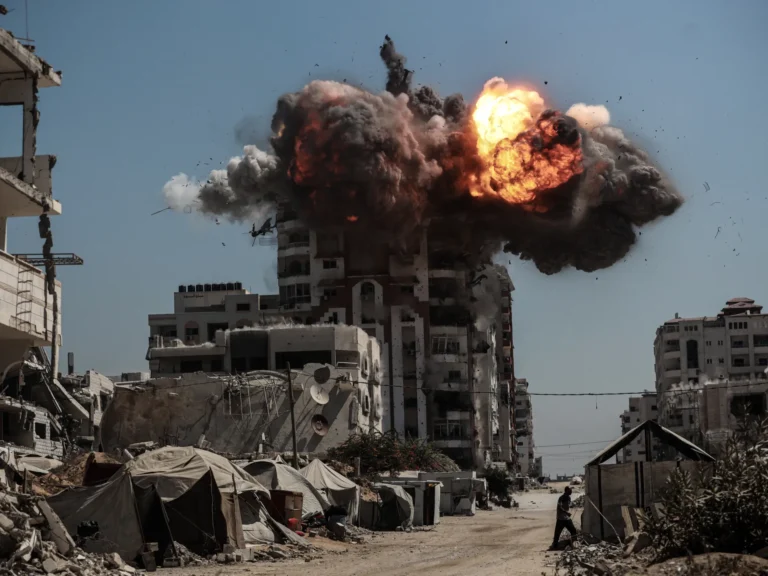
Thank you for reading this post, don't forget to subscribe!A missile strike on King Khalid International Airport in Riyadh on Saturday, October 10, killed 12 people and injured 309 others, according to Saudi Arabia’s General Authority of Civil Aviation. The Riyadh Airport Strike, described by Al Jazeera as the deadliest on the kingdom in more than a decade, is the latest and bloodiest escalation in a widening confrontation with Yemen’s Houthis.
The Toll and the Target
The dead included four Saudi citizens, two Bangladeshis, and one person each from the United States, Egypt, Jordan, Syria, Palestine and Sudan, Arab News reported. Several of the wounded remain in critical condition. Some outlets, including CNN, have carried a figure of 13 dead, though the official count stands at 12.
A regional official told the AP, as CBS News relayed, that the missile hit a complex housing terminals 3 and 4, which handle domestic flights. CCTV footage of the moment of impact has since surfaced.
A Week of Escalating Strikes
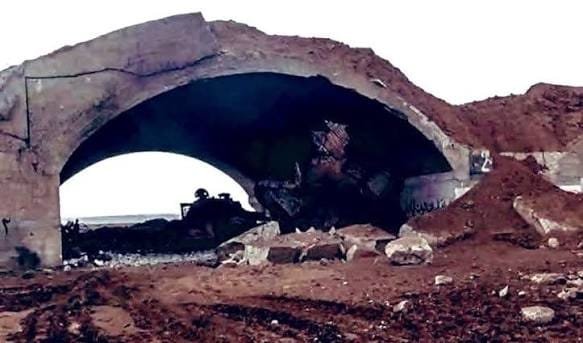
Saturday’s attack was the third on the airport in a week. Earlier strikes killed three Saudi nationals, among them Saudia pilot Captain Hamoud Ali Alkalthami, according to Al Jazeera. Regional officials said three aircraft were damaged in those attacks, and Saudia confirmed one of its planes was hit on the ground with no passengers aboard.
The Houthis initially stayed silent on the weekend strike. The Washington Post reported that the group later claimed responsibility and branded Saudi airports “potential targets.” The head of the Houthi media office had earlier boasted that the group had “shut down” the airport, per CBC.
Why Airports, and Why Now
The surge followed a major offensive launched last Monday by the Saudi-backed Yemeni government, with coalition air support, to reverse Houthi gains along the Red Sea. The Houthis frame their strikes as a “blockade for blockade” response to Saudi attacks on Sanaa and Hodeidah airports, Al Jazeera’s Sanaa correspondent explained.
The stakes extend beyond Yemen. Houthi gains have improved the group’s view of shipping through the Bab al-Mandab Strait, a vital alternative to the Strait of Hormuz, where Iran has been attacking vessels. CBS News called the Riyadh strike the deadliest in any Gulf Arab state since the Iran war began.
Flights Grounded, Classes Moved Online
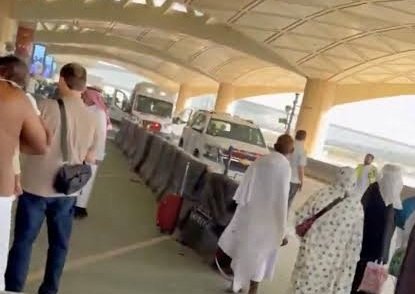
The disruption has been severe. All flights were diverted from the capital, a city of roughly eight million, and the closure was extended into Sunday. FlightAware data cited by CBS showed at least 291 cancellations in 24 hours, while CNN put the total above 600. Air India, flydubai, the Lufthansa Group and Pakistan International Airlines had already suspended Saudi services. The European Union Aviation Safety Agency warned of an increased risk of civil aircraft being misidentified amid missile and drone activity.
Schools across Riyadh were ordered to move to remote learning for a week. Even so, a long-planned international energy conference, the WPC Energy Congress, went ahead at a venue about 10 km from the airport, the Jerusalem Post noted.
Condemnation and Warnings
Riyadh said it would “respond decisively.” The Houthis, for their part, warned airlines, travellers and airport staff to stay away and blamed Saudi Arabia for “failed interceptions.”
Secretary of State Marco Rubio condemned the attack, and President Donald Trump said Washington was weighing whether to join Saudi strikes on the Houthis, telling reporters a decision would come quickly. UN special envoy Hans Grundberg called the strike a “dangerous escalation” and a grave threat to regional security. The US, Britain, Germany, Australia and Canada urged their citizens to avoid the airport.
With another attack claimed on Sunday evening that caused fresh injuries, questions are mounting over whether Yemen is returning to full-scale war.