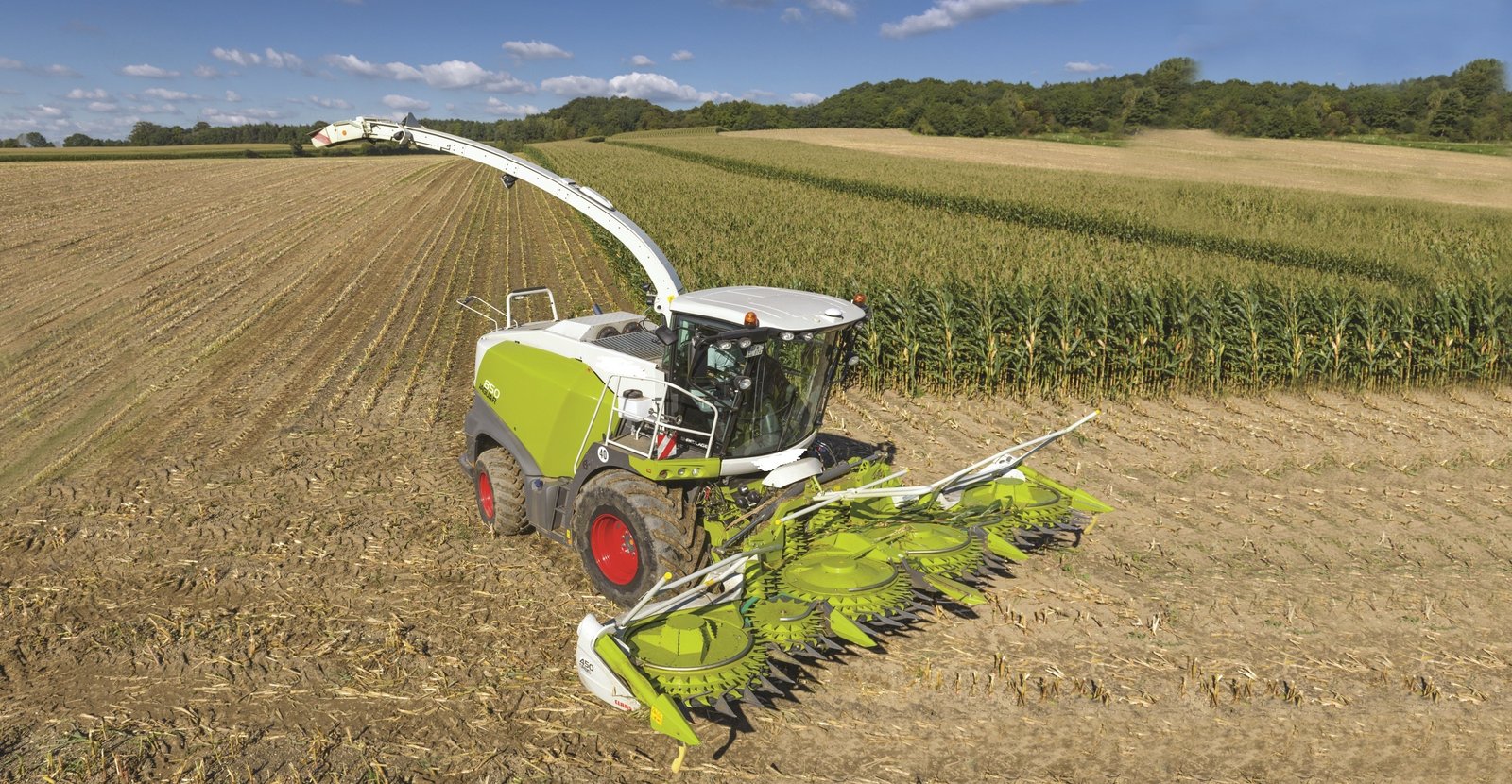
From the central 40 to 50% rate to state top-ups, a complete guide to how farmers can claim up to 60% subsidy on farm machinery.
Thank you for reading this post, don't forget to subscribe!October 7, 2026|CoreSignal
How Farmers Can Claim Up to 60% Subsidy on Farm Machinery
A farmer who buys a power tiller for ₹1 lakh can get ₹40,000 to ₹60,000 back from the government, depending on the state and the category he belongs to. For a family farming a couple of acres, that gap decides whether a machine stays a wish or finally reaches the field. The money comes through the Sub-Mission on Agricultural Mechanization (SMAM), the Centre’s main scheme for helping farmers pay for tractors, tillers, sprayers and other equipment.
Farmers can claim up to 60% subsidy in some states, but the figure is not the same everywhere. The central scheme pays 40 to 50% to individual buyers, and states such as West Bengal add their own share on certain machines to take the total higher. The machine, the farmer’s category and the year’s notification all change the final number.
The promise also comes with conditions. Applications have to be approved before any purchase, the machine must come from an approved dealer, and the dealer has to be paid in full before the subsidy arrives. Farmers who miss a step can end up paying the full price. The sections below explain how the scheme works, who gets what, and how to apply without losing the benefit.
What the Centre offers under SMAM
SMAM has been running since 2014-15, funded by the Centre and implemented by state agriculture departments. For individual buyers, a PIB backgrounder sets the subsidy at 40% of the machine’s cost for general farmers and 50% for SC/ST farmers, paid directly into the bank account. The Agriculture Ministry stated the same 40 to 50% range in a Rajya Sabha reply.
Shared ownership gets much better terms. Village-level Farm Machinery Banks run by self-help groups and FPOs receive 80% support on projects up to ₹30 lakh, while Custom Hiring Centres, which rent machines out to nearby farmers, get 40% on projects up to ₹250 lakh. The PIB document counts more than 27,500 such centres and 25,600 machinery banks already working across the country.
Why some farmers get 60%? The extra comes from states
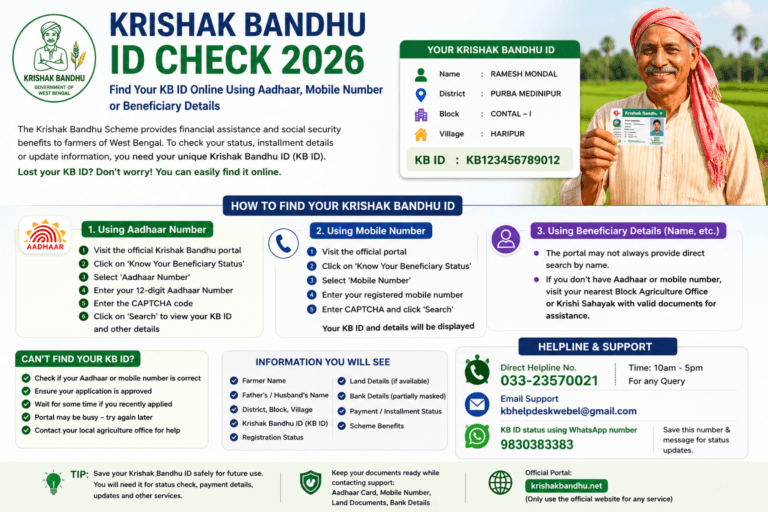
The central scheme stops at 50% for individuals. The extra comes from states that add their own money. West Bengal’s Agriculture Department, in its 2025-26 notice, offered 50 to 60% on power-driven machinery, capped at ₹3 lakh, and 50% on small implements up to ₹10,000. Applicants had to be registered under Krishak Bandhu and hold at least half an acre of recorded land.
Tamil Nadu has gone a different way. Its 2026-27 agriculture budget earmarks ₹227.20 crore to help 24,000 farmers buy power tillers, weeders, rotavators and tractors, DT Next reported, and promises an 80% subsidy for fifty village-level hiring centres.
In short, the rate a farmer gets depends on the state, the machine and the farmer’s category, and the figure in a headline rarely applies to everyone.
How to claim the subsidy under SMAM scheme
The sequence matters more than anything else. The usual path is:
Check the notice. The district agriculture office or the state’s agriculture website lists the current rates, the approved machines and the last date. Application windows can be short.
Get documents ready. Aadhaar, land records and bank details are standard, and SC/ST farmers need a caste certificate to claim the higher rate.
- The national portal is agrimachinery➤
- Many states run their own, such in West Bengal as wbfms➤
The machine is chosen from the state’s approved list at this stage.
Wait for approval, then buy. The purchase must be made from an empanelled dealer, and only after the application is cleared.
Submit the invoice for verification. Officials confirm the purchase, and in West Bengal the machine is geo-tagged.
Receive the money. The subsidy is credited to the farmer’s bank account once verification is complete.
The cost farmers carry first
Most applicants are surprised by the payment order. The dealer is paid in full at the time of purchase, and the subsidy follows later. Many farmers arrange a short-term bank loan to cover that gap and repay it when the subsidy arrives.
A purchase made before approval, or from a dealer outside the approved list, can cost the farmer the entire subsidy. That mistake is rarely corrected afterwards.


Tractors, tillers and sprayers
Tractors and power tillers feature on most state lists. Sprayers are covered in many states, and the scheme has pushed drone-based spraying in recent years, but eligibility is not the same everywhere. Checking the list before choosing a model avoids an unpleasant surprise later.
Farmers who cannot manage the upfront cost have another route. Joining a self-help group or FPO, or renting from a nearby Custom Hiring Centre, gives access to machinery at a fraction of the price, with less paperwork than an individual claim.
Rates and deadlines change every year, so a visit to the local agriculture office before signing with a dealer remains the safest first step.