Israel Election: Israel’s Election Ends in Deadlock as Netanyahu’s Bloc Falls Short and Arab Parties Hold the Balance
October 26, 2026|CoreSignal
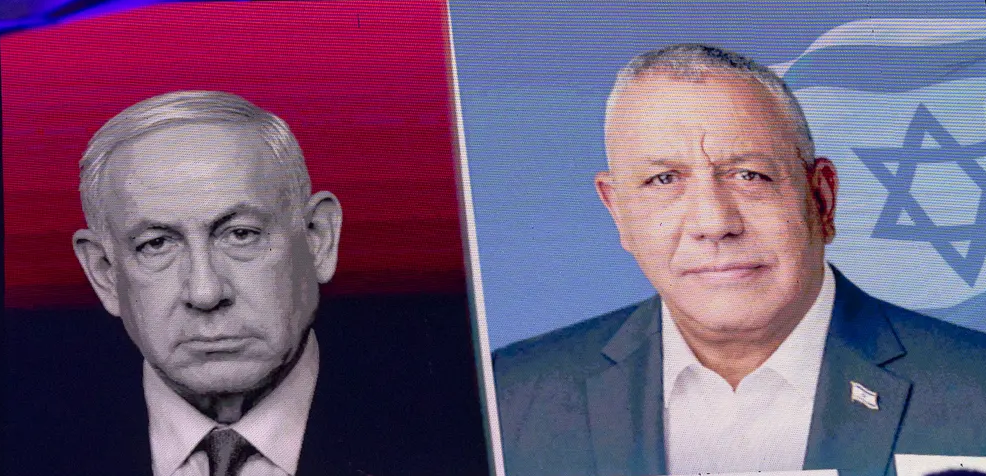
Thank you for reading this post, don't forget to subscribe!Israel’s election (26th Knesset election) on October 27 has produced no clear winner. With about 72% of ballots counted, Prime Minister Benjamin Netanyahu’s right-wing and religious bloc stands at 54 seats, well short of the 61 needed to govern. The bloc led by his chief rival, former military chief Gadi Eisenkot, holds 48, while Arab parties have climbed to 18, according to partial results published by the Central Elections Committee and tracked by The Times of Israel.
Israel Election: A Night of Shifting Numbers
Exit polls on Tuesday night pointed to a dead heat. Channel 12 had Netanyahu’s side on 50 seats and Eisenkot’s on 52, while the pro-Netanyahu Channel 14 gave the prime minister 60. As the real count came in, the Likud-led bloc pulled slightly ahead of the opposition but never neared a majority. Likud has led the count with around 28 seats, with Eisenkot’s Yashar! next on about 21. The figures have moved with each update, and the bloc totals drifted between 56 and 54 through Wednesday morning.
A Steep Fall From 68
The result is a sharp drop from the 68-seat coalition Netanyahu led in the outgoing Knesset. He has still claimed a right-wing majority among Jewish Israelis, and President Trump has credited his backing of Netanyahu for the prime minister’s showing. Eisenkot’s camp, for its part, declared early that voters had rejected the government, though the changing numbers have cooled that message. Yair Golan, leader of the Democrats, has urged a government that would draw on Arab party support.



The Arithmetic Behind 61
As of now, no one is on course to reach the 61-seat majority. With roughly 72% of ballots counted, Netanyahu’s right-wing and religious bloc sits at 54 seats, seven short. Eisenkot’s bloc holds 48, a gap of 13, and its position has been slipping slightly as the count has moved on.
The only way either side gets there is through parties outside its own bloc. The Arab parties, which belong to neither camp, now hold 18 seats between them. Added to Eisenkot’s 48, that makes 66 on paper, enough for a majority. The politics are far harder than the maths, though. Eisenkot has avoided committing to an Arab-backed government, and before the vote, both the far-right parties and Avigdor Liberman’s Yisrael Beiteinu had ruled out sitting in any coalition that depends on them. Any arrangement would likely have to rest on outside support rather than a formal partnership.

Netanyahu’s route is narrower. He would need seven more seats, which could only come from smaller parties clearing the 3.25% threshold or from defectors, and the lists that might have helped are struggling. Yoaz Hendel’s Reservists were hovering near 2.7%, and Ofer Winter’s Amcha Israel was falling short as well.
The count is still moving, and late military ballots could shift a seat or two either way. For now, the most accurate answer is that neither camp holds a majority, and the final picture may not be clear until official results are confirmed on November 4.
Record Turnout and Casualties Below the Threshold
Turnout reached 77.7%, the highest since 1999, Al Jazeera reported. Several smaller lists are falling short of the 3.25% threshold, among them the Reservists, who sat near 2.7%, and Ofer Winter’s Amcha Israel. Their wasted votes could still nudge the final seat distribution.
Weeks of Haggling Likely
Military ballots, which have been counted last in past elections, could still shift a seat or two. Official results are due on November 4. Until then, Netanyahu is expected to remain at the helm in a caretaker capacity, and any path to 61 seats runs through coalition talks that could stretch for weeks. With neither camp able to count on a majority without the Arab parties or defections, a second vote in the months ahead remains a real possibilit