Abdul El-Sayed Wins Michigan, Becoming the First Muslim Elected to the US Senate
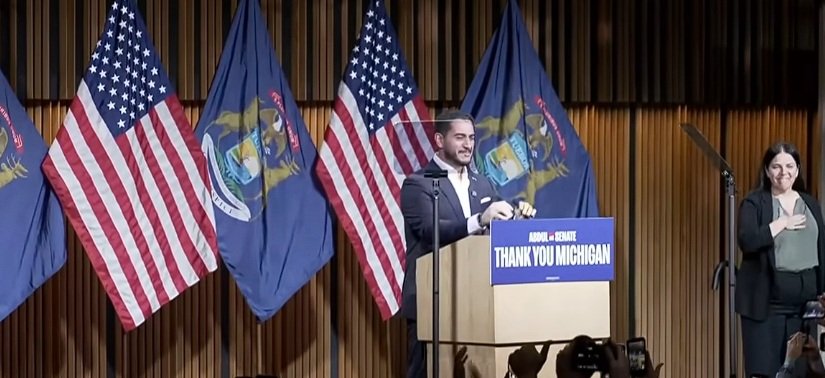
A progressive former health commissioner and son of Egyptian immigrants has taken Michigan’s open Senate seat after one of the most expensive and bitter contests of the 2026 midterms.
Thank you for reading this post, don't forget to subscribe!November 5, 2026|CoreSignal
Democrat Abdul El-Sayed has won Michigan’s open US Senate seat, defeating Republican former Congressman Mike Rogers in the November 3 midterms. The Associated Press reported that the result gave the Democratic Party’s left wing a breakthrough win in a key swing state, and El-Sayed becomes the first Muslim elected to the US Senate. He will succeed retiring Democratic Sen. Gary Peters. PBS
A Narrow Primary, Then a Decisive General
The victory margin was clearer than many forecasters expected. Bloomberg’s tally with roughly 96% of ballots counted put El-Sayed at 52.5% against 45.6% for Rogers. The AP called the race in the early hours of Wednesday, and the win keeps the seat in Democratic hands at a time when the party needs every seat to contest control of the chamber. Bloomberg
Getting to November was arguably harder than the general election. El-Sayed won the August 4 primary over Rep. Haley Stevens with 48.5% of the vote, in a contest that drew more than $60 million in outside spending, much of it from pro-Israel groups backing Stevens. State Sen. Mallory McMorrow had dropped out in July after her polling slipped. Days before the general election, Stevens stunned party leaders by crossing party lines to endorse Rogers.
First Muslim Elected to the US Senate: From Detroit’s Health Department to Washington
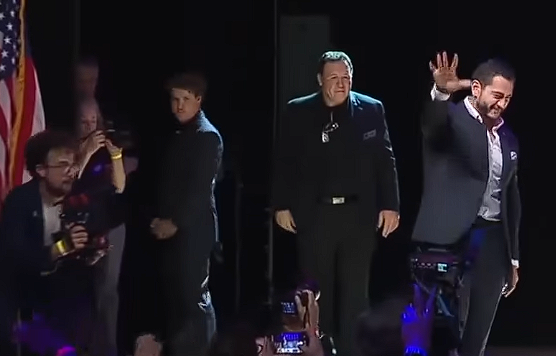
El-Sayed, 42, is a Michigan native and the son of Egyptian immigrants. His political rise began in 2015, when he became executive director of Detroit’s Health Department, one of the youngest health commissioners of a major American city. He later ran the health department in Wayne County, and entered statewide politics with an unsuccessful 2018 run for governor built on single-payer health care.
His 2026 platform centred on Medicare for All, limits on corporate money in politics, affordable housing and expanded public health care. It also included sharp criticism of US policy toward Israel and the war in Gaza, which made him a target for national pro-Israel groups. AIPAC spent nearly $30 million against him, its largest investment in a single race.
A Campaign Fought Over Identity and Loyalty
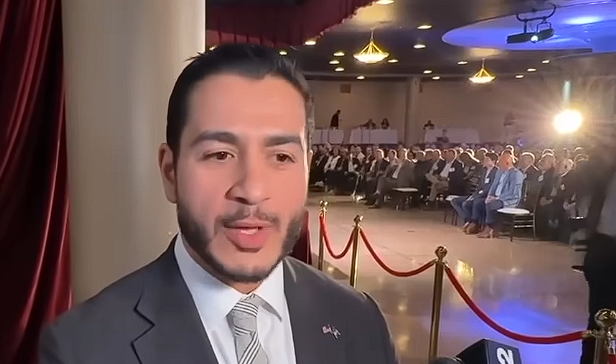
The general election turned openly bitter. Rogers, a 63-year-old Army veteran and former FBI agent who lost the 2024 Senate race to Elissa Slotkin by about 20,000 votes, pressed El-Sayed over his past statements on Israel, Iran and 9/11, and over his ties to streamer Hasan Piker. President Donald Trump went further at a rally in Port Huron, where he linked El-Sayed to Muslim extremists and drew a comparison to the September 11 attackers.
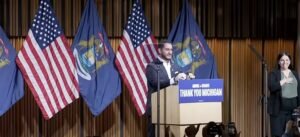
El-Sayed rejected the framing directly. In his election-night remarks, he told Rogers’ side, “You chose hate and Michigan chose hope.” In his acceptance, he also argued that his name and faith had nothing to do with high gas, grocery and health care costs, returning to the economic message that anchored his campaign.
His standing with Jewish and Black voters had been questioned late in the race, and some members of Michigan’s Jewish community criticised his rhetoric after an attack on a Michigan synagogue earlier this year. Those debates are likely to follow him into the Senate.

Where the Milestone Fits in American Muslim Politics
El-Sayed’s win extends a line of firsts. Keith Ellison became the first Muslim elected to Congress in 2006, and Ilhan Omar and Rashida Tlaib became the first Muslim women elected in 2018. Tlaib’s Michigan roots are a reminder of the state’s large Arab American and Muslim communities, a bloc that figured heavily in El-Sayed’s coalition. Until this week, no Muslim had ever held a Senate seat.
Beyond the historic first, progressives are reading the result as proof that an anti-establishment candidate from the left can win a battleground state, a case the party’s moderates had openly doubted during the primary.