West Bengal SIR: In Samserganj, 15,177 of 15,195 Voters Challenged by the Election Commission Have Muslim Names
Share Copy Link copied An analysis of tribunal appeal records shows nearly every voter the ECI is contesting in the Murshidabad seat has a recognisably Muslim name. The same data also shows why the numbers alone do not settle the question of intent.Thank you for reading this post, don’t forget to subscribe! November 7, 2026|CoreSignal…
An analysis of tribunal appeal records shows nearly every voter the ECI is contesting in the Murshidabad seat has a recognisably Muslim name. The same data also shows why the numbers alone do not settle the question of intent.
Thank you for reading this post, don't forget to subscribe!November 7, 2026|CoreSignal
ECI Appeals Against 15195 Voters in Samserganj During West Bengal SIR, 99.9% With Muslim Names
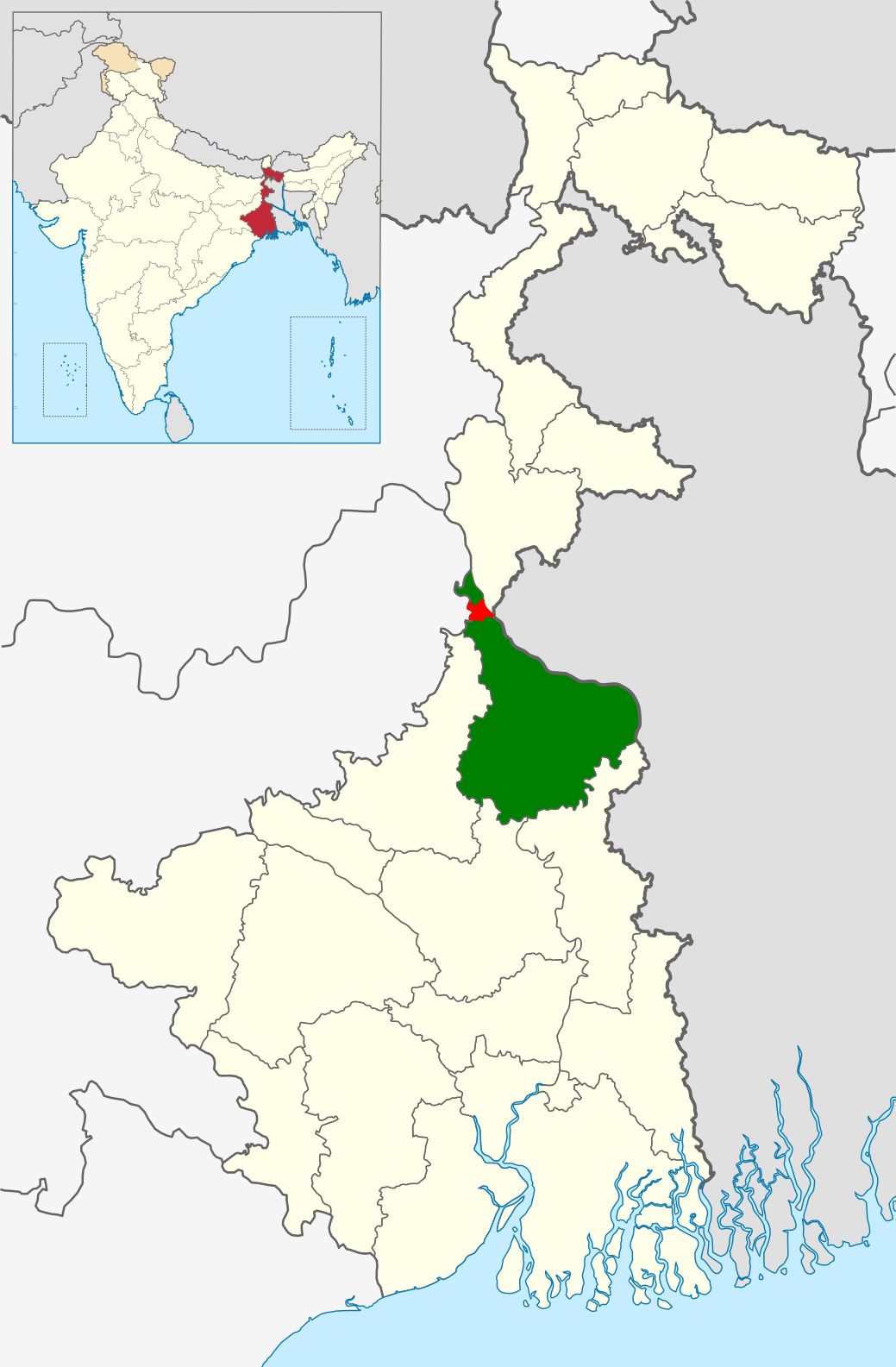
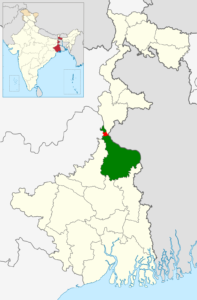
A fresh analysis of appeal records from the Special Intensive Revision (SIR) in West Bengal has put Samserganj, a Muslim-majority constituency in Murshidabad district, back at the centre of the voter-roll debate. Of the 15,195 voters whom the Election Commission of India has challenged in the constituency, 15,177 carry names that are recognisably Muslim.
What the Appeal Records Show
The findings come from an investigation by The Wire, which worked from appeal records collected and verified by the Civic Research Group.
The core numbers for Samserganj:
- 1,08,400 voters were placed under adjudication.
- 74,775 were marked not eligible and removed, about 69% of those reviewed.
- 33,152 were cleared by judicial officers and kept on the roll.
- The ECI has appealed against the inclusion of 15,195 of those cleared voters, about 47.6%.
- 15,177 of the 15,195 (99.9%) have recognisably Muslim names.
If every one of those appeals succeeds, the constituency would end up losing about 83% of the voters originally placed under adjudication, according to the same analysis.
The Appeals That Share One Timestamp
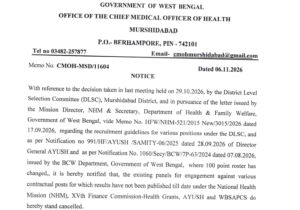
The analysis also found a pattern in when the appeals were filed. Across Samserganj and Sujapur (Malda), 72,838 of the 76,156 pending appeals analysed, about 96%, carry a single timestamp from 5 April 2026. The roll was frozen two days later for the Assembly election. Appeals lodged in bulk and part by part would fit that pattern, whereas individually picked voters would not.
Appeals in Samserganj are also spread across the constituency. Every one of the 230 roll parts with cleared voters in the records contains challenged names. Decided cases remain a sliver of the total: tribunals have ruled on only 16 of the Samserganj appeals so far.
Why the Margin of Victory Matters
In the April Assembly election, TMC’s Mohammed Noor Alam won Samserganj by 7,587 votes. The 15,195 contested names are roughly twice that margin. Appeals in the neighbouring Sujapur seat in Malda follow the same pattern, with 60,823 of 61,066 challenged voters (99.6%) having Muslim names.
The Caveat Built Into the Report
The figures do not, on their own, prove selective targeting, and the report says so. Muslims make up roughly 72% of Samserganj’s population, so a heavy share of Muslim names among any large group of voters in the seat would be expected. The religion count is also based on names, which is an inference, not a recorded fact about each voter.
The sharper point is upstream. In April, The Wire reported that Samserganj booths with a Muslim population of 50% or more had an average of 467 voters each placed under adjudication, against 65 in other booths. Once voters entered adjudication, deletion rates were broadly similar across booths, so the skew sits in who was flagged in the first place, not in the final outcome.
What the Tribunals Have Said About the Appeal Volume
A separate report in The Wire quotes a tribunal judge saying that a large share of the appeals against inclusion before his tribunal were filed by the Election Commission’s Additional CEO. The same report puts the pending appeals in Samserganj at 85,397.
Across West Bengal, roughly 91 lakh names were removed from the rolls in the SIR as a whole, with Murshidabad recording the highest deletions of any district.
Where the Matter Stands
The ECI’s official position on these particular appeals was not found in the reports reviewed. The Commission’s appeals against inclusion are a legal route open to it, and the question the data raises is how those names were selected. With tribunals having decided only a handful of the appeals so far, the final shape of the Samserganj roll remains open.