A district-by-district breakdown of nearly 60,000 underage institutional births reveals Murshidabad alone accounts for a fifth of all cases, as Bengal’s new POCSO drive targets husbands, solemnisers, and guardians
Thank you for reading this post, don't forget to subscribe!September 8, 2026|CoreSignal
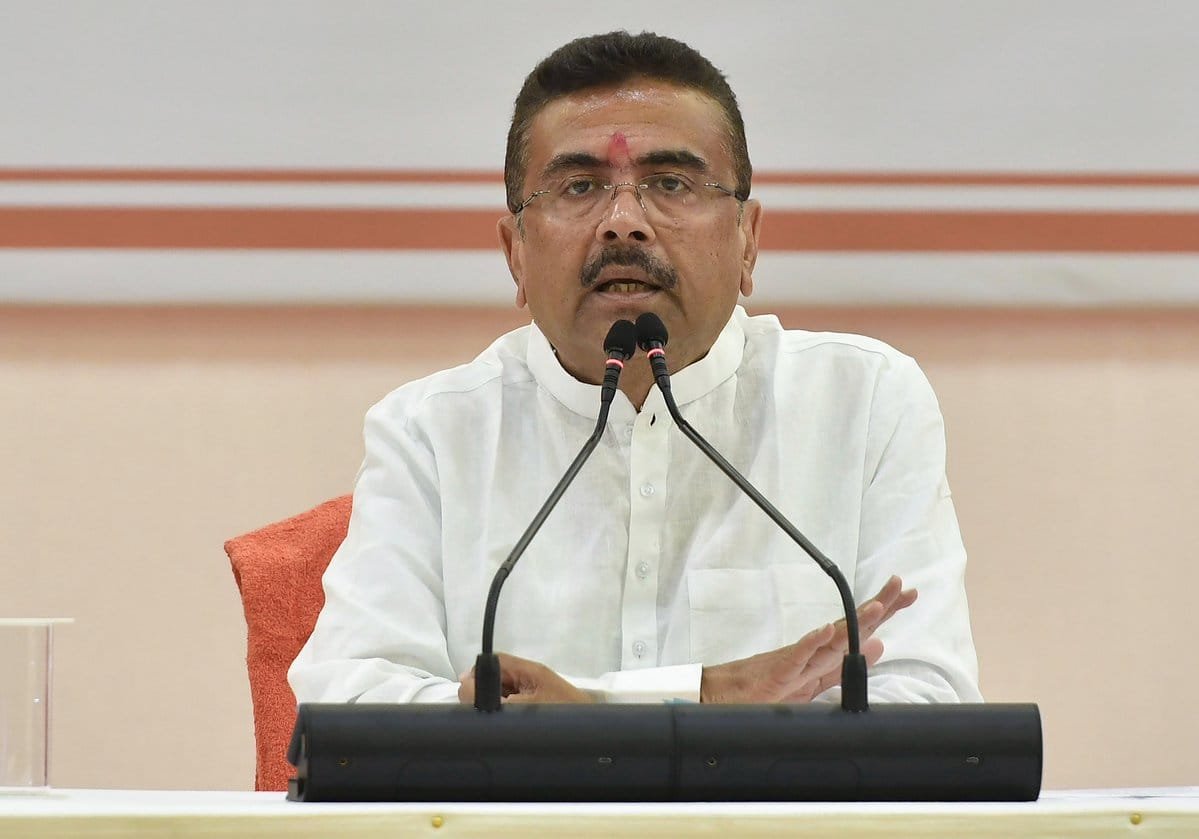
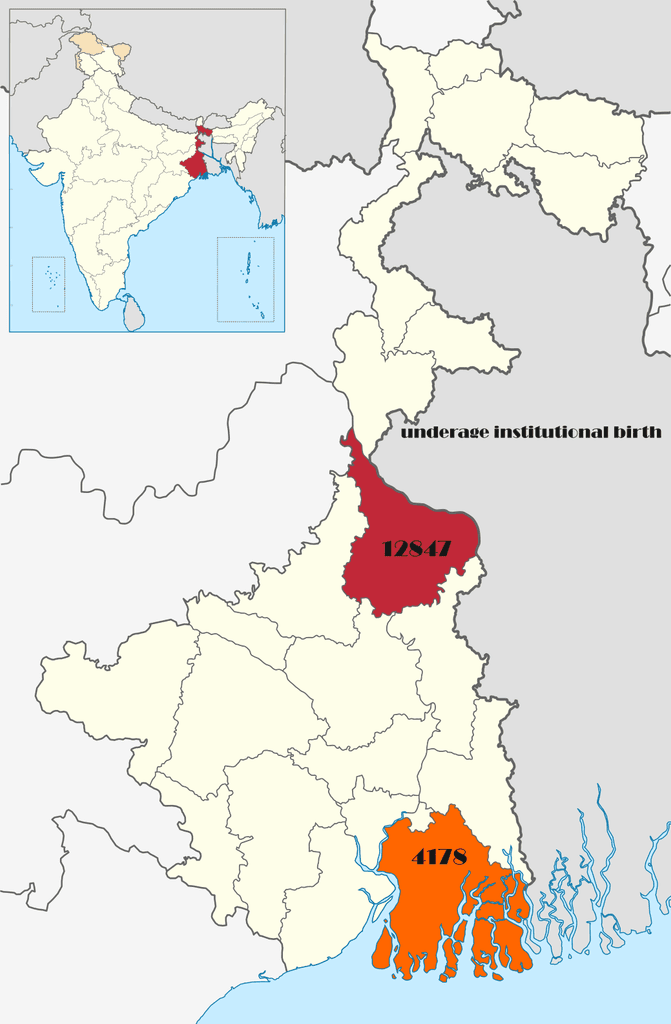
As West Bengal rolls out a statewide crackdown on child marriage, Bengal’s Child Marriage Hotspots have come into sharper focus, with two districts singled out as the epicentres of the problem: Murshidabad and South 24 Parganas. Chief Minister Suvendu Adhikari named both districts while unveiling state health data that will now trigger POCSO Act prosecutions against husbands, solemnisers and guardians — data that also revealed significant numbers across more than a dozen other districts.
The Full District-Level Breakdown
Citing figures from the State Health Department covering January 1 to June 30, 2026, Adhikari revealed that close to 60,000 institutional deliveries statewide involved girls under the age of 18. He went on to read out a wider district-wise list, with Murshidabad and South 24 Parganas far ahead of the rest:
| Rank | District | Underage Institutional Births |
|---|---|---|
| 1 | Murshidabad | 12,847 |
| 2 | South 24 Parganas | 4,178 |
| 3 | Purba (East) Bardhaman | 3,787 |
| 4 | Malda | 3,777 |
| 5 | West Midnapore | 3,220 |
| 6 | North Dinajpur | 2,940 |
| 7 | Nadia | 2,925 |
| 8 | Rampurhat | 2,391 |
| 9 | Purulia | 2,116 |
| 10 | Basirhat | 2,014 |
| 11 | North 24 Parganas | 1,961 |
| 12 | Cooch Behar | 1,940 |
| 13 | East Midnapore | 1,884 |
| 14 | Birbhum | 1,873 |
| 15 | Diamond Harbour | 1,806 |
Murshidabad alone accounts for roughly a fifth of all underage institutional deliveries recorded across the state in the six-month period, making it by far the single largest contributor to the numbers Adhikari cited — more than triple the count of South 24 Parganas, the next-highest district.

Age Profile of the Worst-Affected Districts
Adhikari also broke down the age distribution within the top two districts, underlining how young some of the cases were:
Murshidabad (12,847 total):
- Ages 10–13: 20 cases
- Ages 13–15: 817 cases
- Ages 15–18: 6,527 cases
- Recorded as 18: 5,483 cases
- Of the total, 12,585 cases were from rural areas and 262 from urban areas
South 24 Parganas (4,178 total):
- Ages 10–13: 5 cases
- Ages 13–15: 244 cases
- Ages 15–18: 1,969 cases
- Recorded as 18: 1,960 cases
Adhikari further stated that 53% of cases involving girls below 15 were from the Muslim community, a proportion that remained above 53% for the 15–17 age group, while stressing that enforcement of the crackdown would be applied in a religion-neutral manner.
What This Means for the Two Districts
With the government now empowered to file suo motu POCSO cases, Murshidabad and South 24 Parganas are expected to see the earliest and heaviest enforcement activity under the new drive. Key measures that will apply locally include:
- House-to-house verification drives to identify existing underage marriages and pregnancies, prioritised in the districts with the highest case counts.
- Showcause notices to husbands of underage girls, requiring proof of their wife’s age.
- Suo motu FIRs against husbands of girls who became mothers before turning 18, carrying potential imprisonment of up to 20 years under POCSO.
- Action against solemnisers — priests and qazis who conducted marriage rituals involving minors — and against parents or guardians who facilitated the marriages.
- Withdrawal of government welfare benefits from families found involved in child marriage cases.
Why These Districts Stand Out
Murshidabad and South 24 Parganas are large, predominantly rural districts with significant populations below the poverty line, factors that have historically correlated with higher child marriage rates across India. The districts rounding out the top 15 — including Purba Bardhaman, Malda, West Midnapore, North Dinajpur and Nadia — span a wide geographic spread across northern, central and southern Bengal, suggesting the problem is not confined to any single region of the state. Adhikari did not detail the specific socioeconomic drivers behind the district-wise numbers during his press conference, but framed the overall disparity as evidence that enforcement and data reporting had lapsed under the previous Trinamool Congress government.
The Political Backdrop
Adhikari used the district-wise data to renew his criticism of the former TMC administration, alleging it had allowed Bengal to become the state with the highest child marriage and underage delivery rates in the country while failing to share this data with the central government. He said the current government’s decision to publish the figures — down to the district level — was intended to force accountability and target enforcement where it is needed most.
What to Watch
With Murshidabad, South 24 Parganas, and more than a dozen other districts now publicly identified with specific case counts, the coming weeks are likely to bring the first wave of showcause notices, FIRs, and welfare-benefit withdrawals under the new policy — starting with the highest-count districts — and continued scrutiny of whether local enforcement can keep pace with the scale of cases the state’s own data has revealed.
This article is based on statements made by West Bengal CM Suvendu Adhikari at a September 7, 2026 press conference and subsequent news reporting. Figures are attributed to the West Bengal State Health Department as cited by the Chief Minister.