Free crop insurance for West Bengal farmers — Bangla Shasya Bima Yojana eligibility, covered crops, and step-by-step application and claim directions.
Thank you for reading this post, don't forget to subscribe!August 30, 2026|CoreSignal
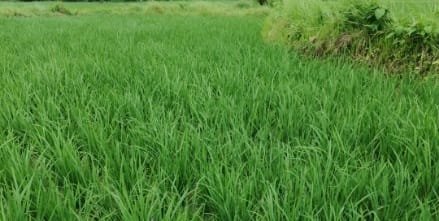
If a flood wipes out your paddy field or an unseasonal hailstorm flattens your jute crop, West Bengal’s Bangla Shasya Bima Yojana (BSBY) is designed to be the thing standing between that loss and total financial ruin. It’s a state-run crop insurance scheme where the government pays the entire premium — farmers pay nothing — and it’s been quietly protecting the state’s agricultural backbone since 2019. Here’s everything you need to know, including exactly how to apply and file a claim if disaster strikes your field.
What is Bangla Shasya Bima Yojana?
Bangla Shasya Bima (BSB), meaning “Bengal Crop Insurance,” is a crop insurance scheme launched by the Government of West Bengal, implemented through the state’s Department of Agriculture in partnership with the Agriculture Insurance Company of India (AIC) and other empanelled insurers, including SBI General Insurance. The scheme covers farmers against crop loss or damage caused by natural disasters — floods, droughts, cyclones, pest infestations, and disease — from the point of sowing right through to post-harvest.
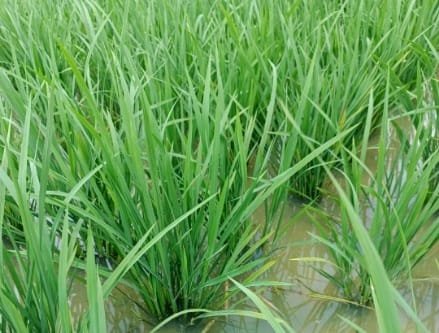
What sets it apart from many other crop insurance schemes is simple: farmers don’t pay any premium at all. The West Bengal government bears the entire premium cost on the farmer’s behalf, which is what makes this one of the more genuinely farmer-friendly insurance programs running anywhere in the country.
Who is Eligible For Bangla Shasya Bima Yojana?
The scheme is designed to be broadly inclusive rather than restrictive:
- You must be a permanent resident of West Bengal
- You must be actively cultivating a notified crop for the relevant Kharif or Rabi season
- Both loanee farmers (those who’ve taken or applied for an agricultural loan from a registered bank) and non-loanee farmers (those growing notified crops without any loan) are eligible
- Small, medium, and large-scale farmers can all apply — there’s no landholding-size restriction that excludes anyone
- You should have a valid Aadhaar card in your name
- You should not be a loan defaulter with a bank, if applying as a loanee farmer
Which Crops are Covered in Bangla Shasya Bima Yojana?
Coverage is notified annually and typically spans both major growing seasons:
- Kharif crops: Aman paddy, Aus paddy, jute, maize
- Rabi crops: Boro paddy, potato, and other seasonal crops
- Other categories: Pulses, millets, other cereals, and select commercial/horticultural crops
The exact list is notified fresh each season by the Department of Agriculture, so it’s worth checking the current season’s notification rather than assuming last year’s crop list still applies.
What does the scheme actually protect you against?
Compensation under BSBY is available for loss or damage arising from:
- Prevented sowing — when adverse conditions stop you from sowing at all
- Failed sowing/germination
- Mid-season adversity — damage occurring during crop growth
- Post-harvest losses — damage occurring after harvesting but before the crop is safely stored
Ground assessments are backed by technology — the scheme uses Automated Weather Stations and satellite imagery alongside physical field verification to make claim assessments more accurate and reduce disputes over how much damage actually occurred.
Documents You’ll Need to Apply for Bangla Shasya Bima Yojana
- Aadhaar card
- Identity proof (PAN, Voter ID, or Driving License)
- Address proof (utility bill, passport, or similar)
- Bank account details (for direct benefit transfer of any payout)
- Land ownership or cultivation records for the relevant plot
- Loan documents, if applying as a loanee farmer
How to apply — step-by-step directions for beneficiaries
Online application:
- Visit the official portal at banglashasyabima.
- Register using your mobile number and basic details, or log in if you already have an account.
- Select the relevant season — Kharif or Rabi — for which you’re applying.
- Download or fill in the Application Form for that season directly on the portal.
- Enter your land, crop, and personal details accurately, since these are cross-verified during processing.
- Upload the required documents (Aadhaar, address proof, bank details, land records).
- Submit the form and note down your Application ID — you’ll need this to track your status later.
Offline application (if you’d rather not apply online):
- Download the application form from official banglashasyabima portal, or collect a physical copy from your local Gram Panchayat office or from special enrollment camps organized at the village/Panchayat level or directly from the office of the Assistant Director of Agriculture for your block.
- Fill it in by hand with accurate crop and land details.
- Attach the required documents.
- Submit the completed form at a Duare Sarkar camp, or directly at the office of the Assistant Director of Agriculture for your block.



How to check your insurance premium
Before applying, you can estimate what your coverage would look like using the scheme’s built-in calculator:
- Go to banglashasyabima.
- Click on the Insurance Premium Calculator.
- Enter your crop type and land area details.
- The tool will display the applicable premium amount — which, remember, is paid by the government, not by you.
How to check your application or claim status
- Visit the official portal or the current application/claim status page.
- Click on “Application / Claim Status.“
- Enter your Application ID or Aadhaar number.
- Submit — the portal will display the latest status of your registration or claim.
What to do if your crop is damaged: filing a claim
If your crop suffers loss or damage, timely reporting matters — delays can affect how accurately assessors can verify the damage:
- Report the loss immediately to your nearest insurance company office, or use the toll-free numbers and email IDs provided by the empanelled insurer for your district (available on the official portal and in the scheme’s official notification).
- Provide your Application ID, details of the affected crop and plot, and a description of the damage.
- Cooperate with the field assessment — an insurance company representative or government official will visit for ground verification, cross-checked with satellite and weather-station data where applicable.
- Once assessed, compensation is calculated per hectare based on the extent of damage and is typically paid in stages rather than as a single lump sum.
- Track your claim’s progress using the status-check process above.
How compensation is calculated
The Sum Insured per hectare is fixed in line with the Scale of Finance recommended by the District Level Technical Committee for each notified crop. This means compensation isn’t a flat, one-size-fits-all number — it’s tied to the specific crop, the district, and the extent of loss verified during assessment.
Most frequently asked questions
In short: Bangla Shasya Bima Yojana gives West Bengal’s farmers free, government-funded crop insurance against natural disasters, pest damage, and disease — covering both loanee and non-loanee farmers across major Kharif and Rabi crops. Apply through online via banglashasyabima or at a Duare Sarkar camp, keep your Application ID safe for tracking, and report any crop damage immediately to start the claims process.