US Intelligence Fears Iran Is Plotting a Dirty Bomb Attack in Washington, Sources Tell CNN; Iran Denies It
Share Copy Link copied Spotted something off? Tell the desk about queries, objections or corrections: Home | Contact Us World News US Intelligence Fears Iran Is Plotting a Dirty Bomb Attack in Washington, Sources Tell CNN; Iran Denies It Officials describe the planning as an effort to keep options open, not an imminent attack, and…
 Spotted something off? Tell the desk about queries, objections or corrections: Home | Contact Us
US Intelligence Fears Iran Is Plotting a Dirty Bomb Attack in Washington, Sources Tell CNN; Iran Denies It
Officials describe the planning as an effort to keep options open, not an imminent attack, and the White House says there are no credible threats to the homeland.
US intelligence indicates that Iran is developing plans to target senior Trump administration officials in Washington, DC, with a radiological “dirty bomb” or a chemical weapon, CNN reported on 16 November, citing seven US officials. The sources told the network that the planning does not point to an imminent attack and appears aimed at giving Tehran options if it decides to act, as Al Jazeera summarised the report.
The claims rest entirely on anonymous officials, no evidence has been made public, and Iran has rejected them as fabricated.
Why CNN Reports US Intelligence Fears Iran Is Plotting a Dirty Bomb Attack in Washington
According to the report, the intelligence is detailed about locations and targets, which has prompted contingency planning in Washington. One source cited intercepted Iranian chatter suggesting that bomb-making materials had been stashed inside the United States, a claim that has not been independently verified. Officials are reportedly divided on how credible that intelligence is, and one of them said that whether Iran has the personnel in place to carry out such a plan “is a matter of debate”.
No evidence has surfaced that Tehran has decided to proceed. The coverage reviewed carries no statement from the Department of Homeland Security or the FBI.
White House: “No Credible Threats to the Homeland”
White House spokesperson Lauren Bis told Newsweek on Monday that the administration is monitoring “any and all potential threats” but that “at this time, there are no credible threats to the homeland”. President Donald Trump, asked about the report at a photo opportunity in Manila on Tuesday, said Washington is “looking into it”, as Outlook India reported. He also said he hoped no such threat existed but that the United States takes it “very seriously”. Fox News reported that Trump had warned on Monday that Iran would face unprecedented retaliation if it attacked Washington, and said on Tuesday that it would pay a price “the likes of which no country has ever paid before”.
Tehran Calls It a Fabricated Media Narrative
Iran’s mission to the United Nations said Tehran “categorically rejects and unequivocally refutes” the allegations and described the use of chemical weapons as wholly illegitimate. Foreign Ministry spokesperson Esmaeil Baghaei called the claims baseless on X and described the coverage as a fabricated media narrative, suggesting that it is meant to frighten the public and build support for hostile action against Iran. He also linked a New York Times report to the same effort. On Tuesday, Deputy Foreign Minister Kazem Gharibabadi called the CNN report a “shameful lie” on X and said Iran is among the biggest victims of chemical weapons.
A Report Landing in the Middle of a Stalled War
The report arrives while talks to end the US-Israel war on Iran have stalled. The USS Theodore Roosevelt has reached the region, bringing the number of US carriers there to three, and Tehran has claimed three attacks on US military targets in Bahrain in recent days, while the US military said it shot down two Iranian drones without damage or casualties. Trump said last week that Washington does not “need” a deal.
Iran has a record of plotting against US officials. In 2024, US prosecutors charged an Iranian Revolutionary Guard operative over an alleged murder-for-hire plot against Trump, and an October memo from the Director of National Intelligence reportedly warned that Iranian plots against US personnel abroad had reached “advanced stages”. CNN noted that such plotting has mostly targeted officials travelling abroad.
A separate case surfaced the same week. Fox News, citing Israeli outlet Ynet, reported that Israeli intelligence helped foil an alleged Iran-linked plot to assassinate an Israeli executive in Greece, leading to five arrests in Greece and North Macedonia. The plot remains alleged and is not connected in any reporting to the Washington claims.
Also read: Add related CoreSignal article title here
What a Dirty Bomb Is, and How Much Harm It Can Do
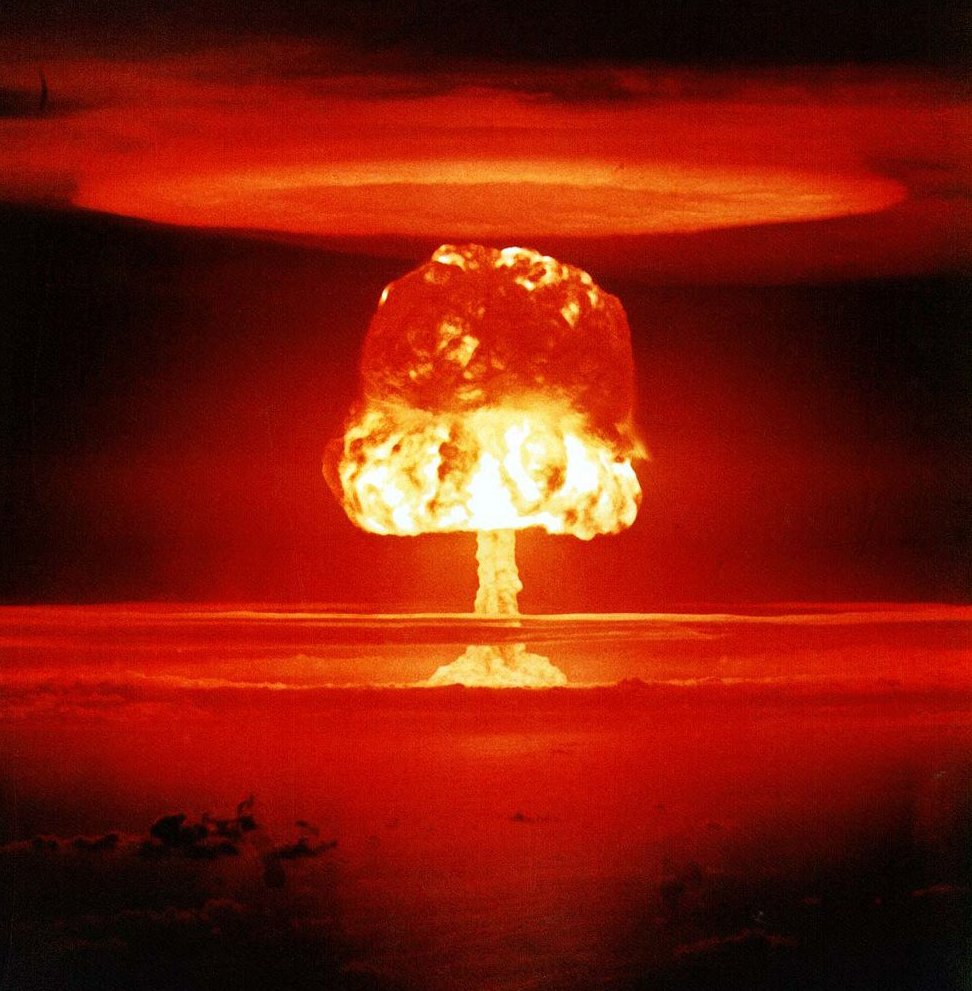
A dirty bomb combines conventional explosives with radioactive material, using the blast to scatter it over an area. It is not a nuclear weapon and produces no nuclear explosion. The main health risk comes from breathing in contaminated dust near the blast, and the material can come from medical or industrial equipment. The US National Academy of Sciences has estimated that most such devices would contaminate one or two city blocks, and experts commonly describe them as weapons of mass disruption rather than mass destruction. No successful dirty bomb attack has been recorded to date.
Analysts quoted by Al Jazeera noted that Iran’s stock of uranium enriched to 60 percent, which the International Atomic Energy Agency put at about 440 kg in June 2025, is only weakly radioactive and a poor fit for such a device. They also said Iran lacks the missile or drone range to strike Washington, so any attempt would depend on smuggling networks, and that using such a weapon would likely draw a severe US response.
Why Some Observers Urge Caution
Critics of reports based on unnamed officials point to the 2003 Iraq war, when intelligence on weapons of mass destruction proved wrong, and warn that such stories can build public support for escalation. An October Chicago Council survey found nearly 70 percent of respondents said the war with Iran was not worth fighting. Supporters of the intelligence community’s warnings counter that contingency planning is routine when specific targets are identified, which is how CNN’s sources described the US response. Verification will depend on any official confirmation from US agencies.